Two books for the sestercentennial
By now, we all know the Cliff Notes version of American’s founding: Jefferson wrote the Declaration of Independence, the colonists defeated the British at Yorktown and Jefferson, Madison, Hamilton, Adams and Franklin wrote the Constitution, which the 13 colonies/states ratified enthusiastically.
As an antidote to those cliché histories, I read a couple of good books on the period, a history and a biography.
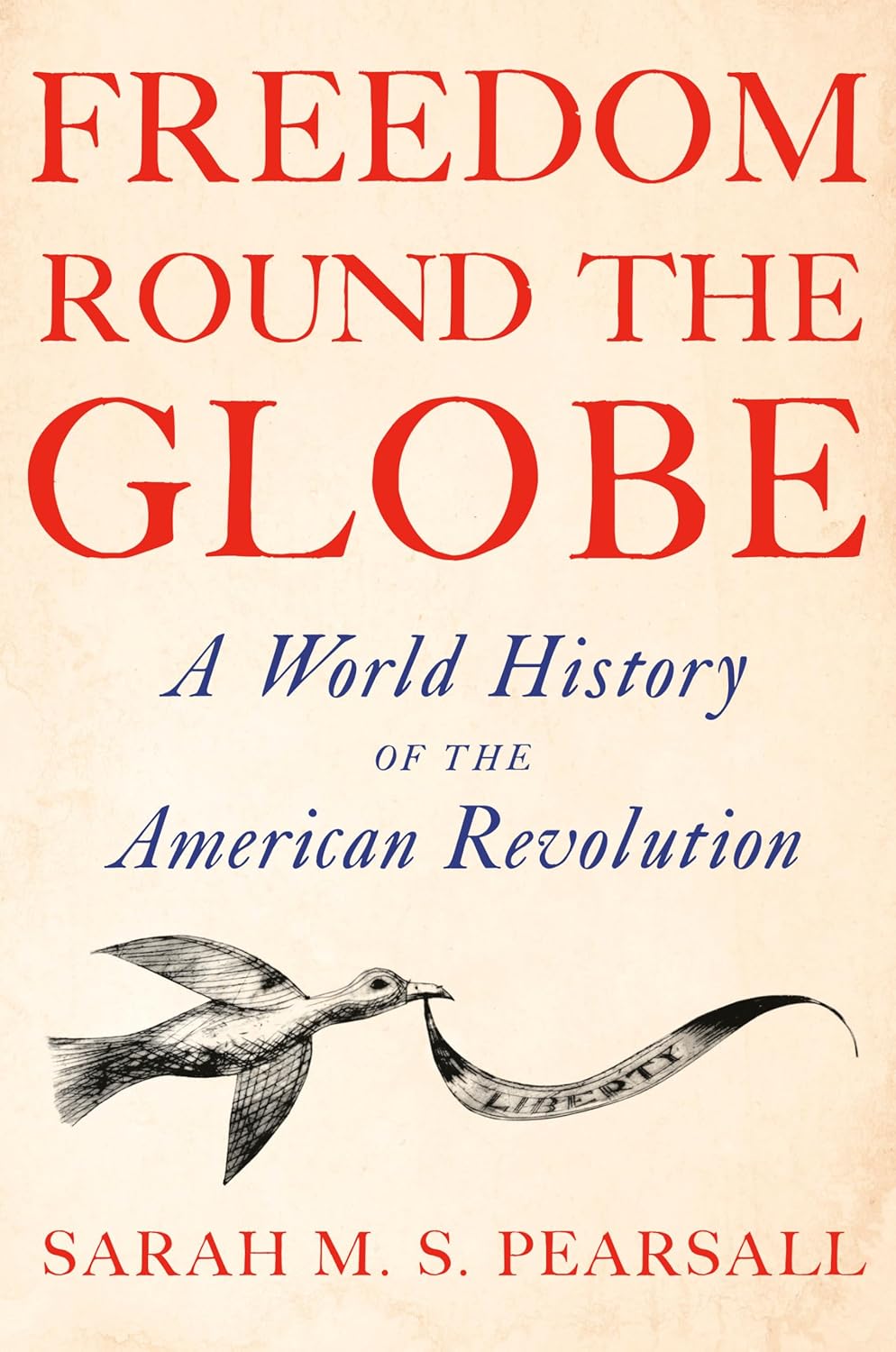
The history book was “Freedom around the globe: A world history of the American Revolution” by Sarah M.S Pearsall. The through-line of this book is that the “American Revolution” was one theater of a global war that also involved British colonies in Canadian North America, the Caribbean, South America Gibraltar and South Asia. And the combatants also included France and Spain. As Pearsall makes clear, Britain lost the American Revolution for reasons familiar to historians of empire—they simply exhausted their resources. By the battle of Yorktown, Cornwallis was fielding a weak and undersupplied army. His overlords in London didn’t have the financial wherewithal to win in North America while fighting diverse wars and conflicts around the planet. I simply had not considered what the Revolution looked like from the point of view of London and other capitals contesting real estate and financial investments thousands of miles from Boston and Philadelphia.
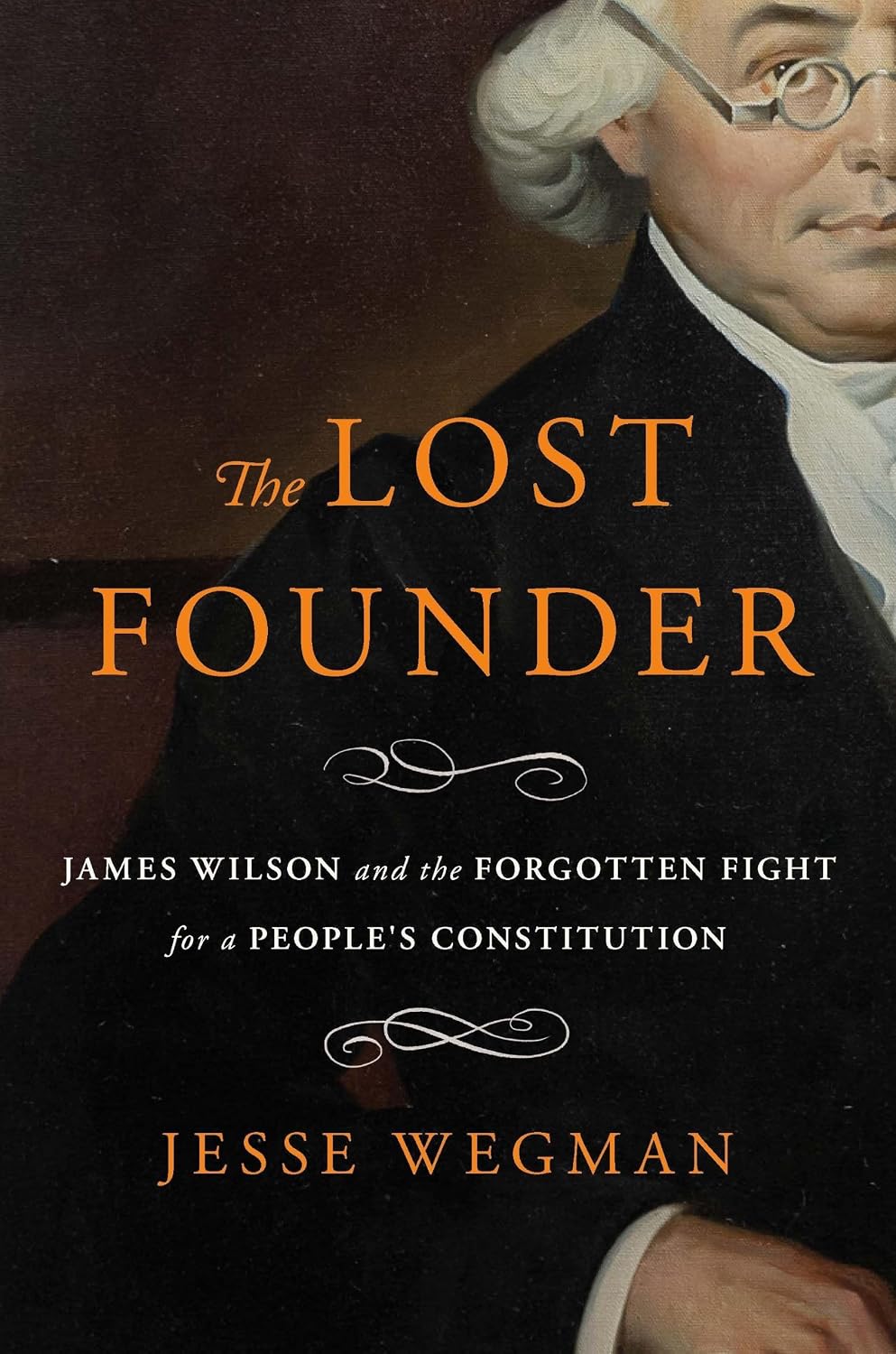
The biography was “The lost founder: James Wilson and the Forgotten Fight for a People’s Constitution” by Jesse Wegman. Wilson grew up in Scotland, where he went to college and law school before immigrating to North America, mostly Pennsylvania. Erudite, cosmopolitan and learned, he developed and articulated a clear vision for why the Revolution had to be fought and how the resulting United States should be bound by a constitution that England itself never had. Chief among his lodestones for the federation of states was that citizens (defined as white male adults with property) should vote directly for their representatives. While Wilson consistently argued for trusting voters with their government, he was mostly overruled by the other founding fathers who didn’t. While he won the battle for elections to the lower house of Congress, he lost it in the Senate and the Chief Executive.
Wilson embodied my longstanding observation that, in humans, the traits of high intelligence and good judgement are unlinked. He was very smart but often unwise. While he is directly or indirectly responsible for much of the prose in both the DoI and the Constitution, he lost most of the political battles on the way to the Constitution (he also opposed the Bill of Rights on the grounds that they were already implied). He eventually had to go into hiding to stay out of debtors’ prison for his many failed real estate deals and died on the lam from his lenders and the authorities.
Both books were eye openers for me. I found the Pearsall book somewhat repetitive, but both it and the Wegman bio were very readable. If you want to celebrate the semiquincentennial in a cerebral way, I recommend both of these books.