
Debasing Trump Country
TR__p show he has no regard for his supporters . . .
Since 2015 and across 170 disasters, the median average assistance amount per approved application from FEMA’s IHP is $4,995. On average, approximately 39 percent of applicants are determined to be eligible for Individuals and Households Program (IHP).
FEMA programs can be a lifeline. However, the benefits are nowhere near enough to encourage households to rebuild differently or elsewhere. This includes accounting for payouts from insurance (assuming households can find an issuer) or charitable contributions. There is also evidence FEMA assistance actually widens the racial wealth gap by as much as $80,000 between Black and White households in disaster-affected counties.
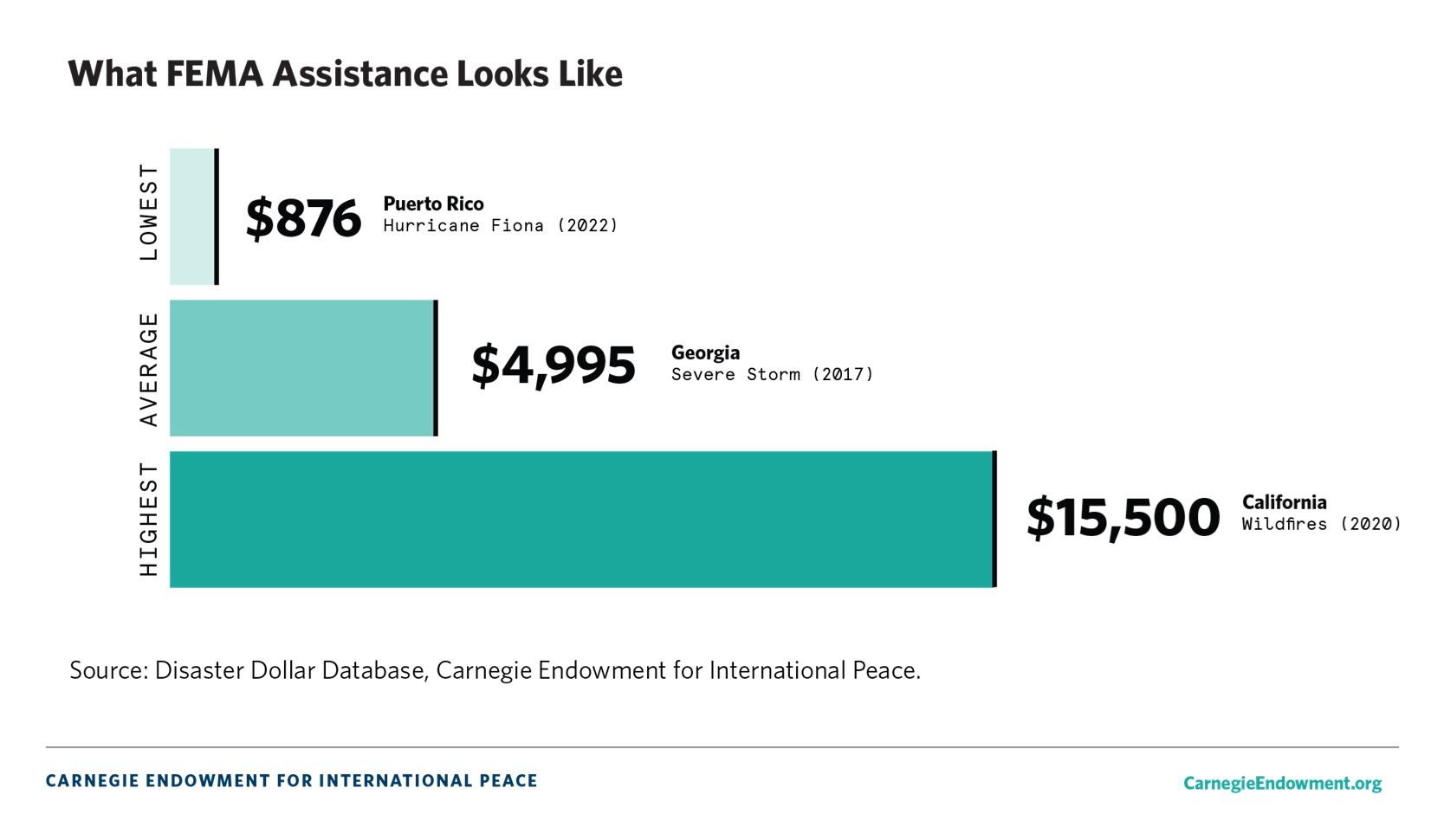
FEMA does not reliably report the reasons people withdraw or are denied assistance. However #2, applicants are often denied because of a lack of documentation, as well as “insufficient damage.” Assessments of damage are notoriously subjective, especially in undervaluing the damage to homes of low-income households. FEMA’s denial rates have been the subject of significant public pressure by disaster survivors and Congress.
And Tr__p wants to eliminate the pittance given out to the victims of disasters . . .
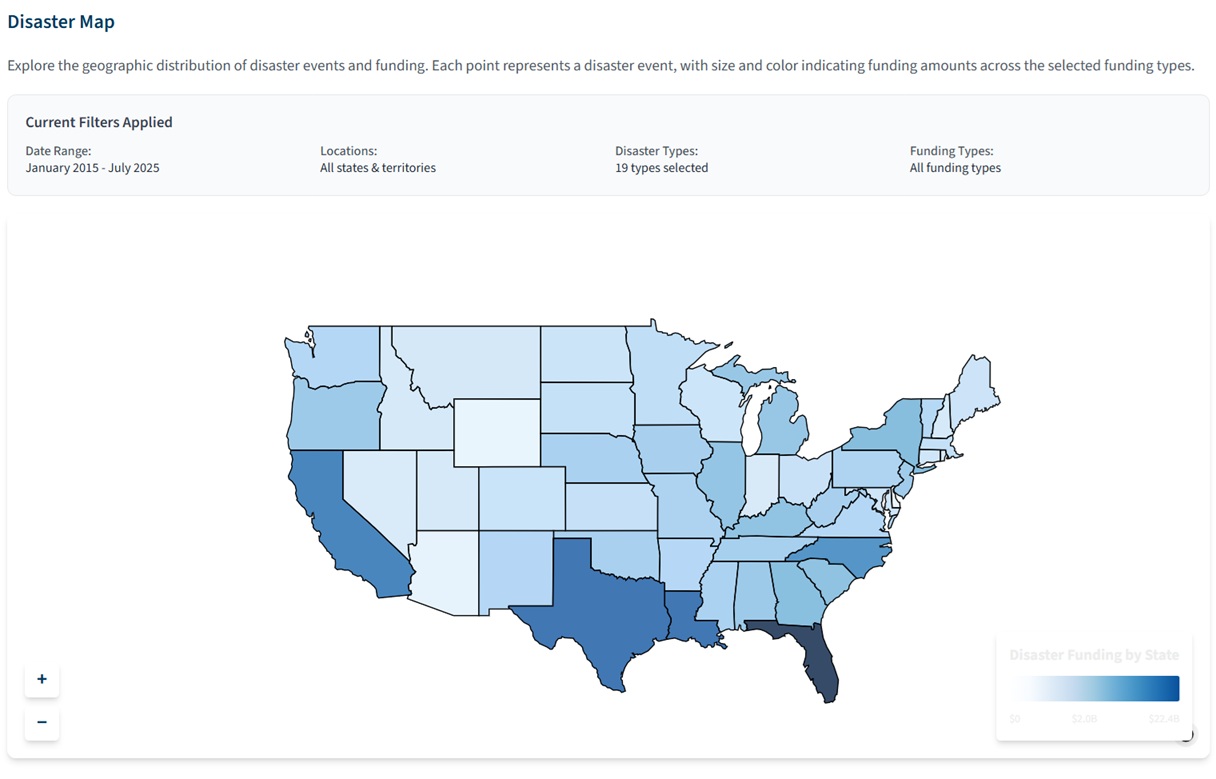
Five states receiving the most FEMA dollars per person tend to be Florida, Louisiana, Alaska, Tennessee and Oklahoma. Known as FEMA’s “frequent fliers.” They are all red states.
Let’s look at total FEMA spending on direct financial assistance to residents. From 2015 through April 2024, Florida led the nation with payouts totaling $2.5 billion. It was closely followed by Louisiana’s $2.4 billion and Texas getting $2.3 billion, according to data from the Carnegie Disaster Dollar Database.
By contrast, Illinois received only about $300 million during that period. As for money FEMA spent housing migrants in New York City, that totaled a mere $81 million.
What about Democrat-run California? Deep blue California was the fourth top beneficiary, at $3.7 billion. That’s understandable given the state’s exposure to wildfires, earthquakes, flooding and mudslides — also its far higher population.
Trump says that responsibility for disaster management should be left mostly with state governments. He wants FEMA to be “phased out” after the 2025 hurricane season. Governors would then coordinate any response. If they can’t, Trump said, “they shouldn’t be governor.”
This vision seems plucked out of Project 2025, the blueprint for a second Trump term. It calls for “reforming FEMA emergency spending to shift the majority of preparedness and response costs to states and localities instead of the federal government.” It also wants to end most of the Department of Homeland Security’s grant programs. That would include work on disaster response and recovery.
One difference between California and many other states suffering a series of natural calamities is that California is rich. It can more easily pick up the costs. So could Texas.
Hundreds of FEMA employees have already been let go. Hundreds of scientists are gone from the National Weather Service. That includes several at the San Angelo office, which covers some of the hardest hit areas.
There’s too much pain here to sternly lecture Trump country on its false notions of where federal money goes. One can simply repeat that familiar line: “Elections have consequences.”
If I didn’t know better, it seems like Trump wants to undo the rise of the Sunbelt. It was driven by the interstate highways, and Trump just hasn’t attacked them yet. All the other stuff, Trump is already working on it.
Kaleberg:
I believe it is something simpler. As far as the Sunbelt? The governors, senators, and representatives are quite capable of destroying their states. They did not need Trump to help them do so. State prosperity is typically increased by how the population is impacted by programs and its economy. I would think the failure to enhance their economy is more the cause. They wish to keep people in their place.